Úraz zubu: Co dělat, když se zub poškodí, a jak předcházet dalším problémům
When you experience a úraz zubu, fyzické poškození zubu způsobené nárazem, pádem nebo úderem. Also known as zubní trauma, it can range from a simple chip to a completely knocked-out tooth. This isn’t just an aesthetic issue—it’s a medical emergency that affects your ability to eat, speak, and even smile confidently. Many people think if the tooth doesn’t hurt, it’s fine. But that’s a dangerous mistake. Even if the tooth looks intact, the root might be cracked, the ligament damaged, or the nerve dying inside. The sooner you act, the higher the chance to save the tooth.
One of the most common mistakes after an úraz zubu is waiting to see if it gets better. It won’t. A tooth that’s been knocked loose can become infected within days, leading to bone loss around it. And if the tooth is completely out, you have less than an hour to replant it successfully. Keep it moist—in milk or saliva, never in water. Don’t scrub it. Don’t touch the root. Get to a dentist immediately. Even if you think it’s just a small chip, that crack can grow under pressure from chewing. Over time, it leads to zubní kámen buildup in the damaged area, which traps bacteria and accelerates decay. The same goes for teeth that feel sensitive after impact—this isn’t normal. It means the enamel is compromised, and the inner layers are exposed.
Children are especially vulnerable to úraz zubu during play or sports. But adults aren’t safe either—car accidents, falls, or even biting down on something hard can cause damage. And if you’ve had a previous injury, your risk of future problems increases. That’s why regular check-ups matter even if nothing hurts. A dentist can spot early signs of internal damage using X-rays that you can’t feel. Ignoring a traumatized tooth doesn’t make it go away—it just makes the treatment harder and more expensive later. You might end up needing a zubní implantát when you could’ve saved the original tooth with a simple filling or crown.
What you’ll find in the posts below are real-life scenarios: how to handle a knocked-out tooth, why pain after trauma doesn’t always mean what you think, what to do if your child’s baby tooth gets hit, and why some people think their tooth is fine—until it falls out months later. We cover what works, what doesn’t, and why home remedies often make things worse. You’ll learn how to recognize hidden damage, what questions to ask your dentist, and how to prevent the same injury from happening again. No fluff. Just clear, practical advice from people who see these cases every day.
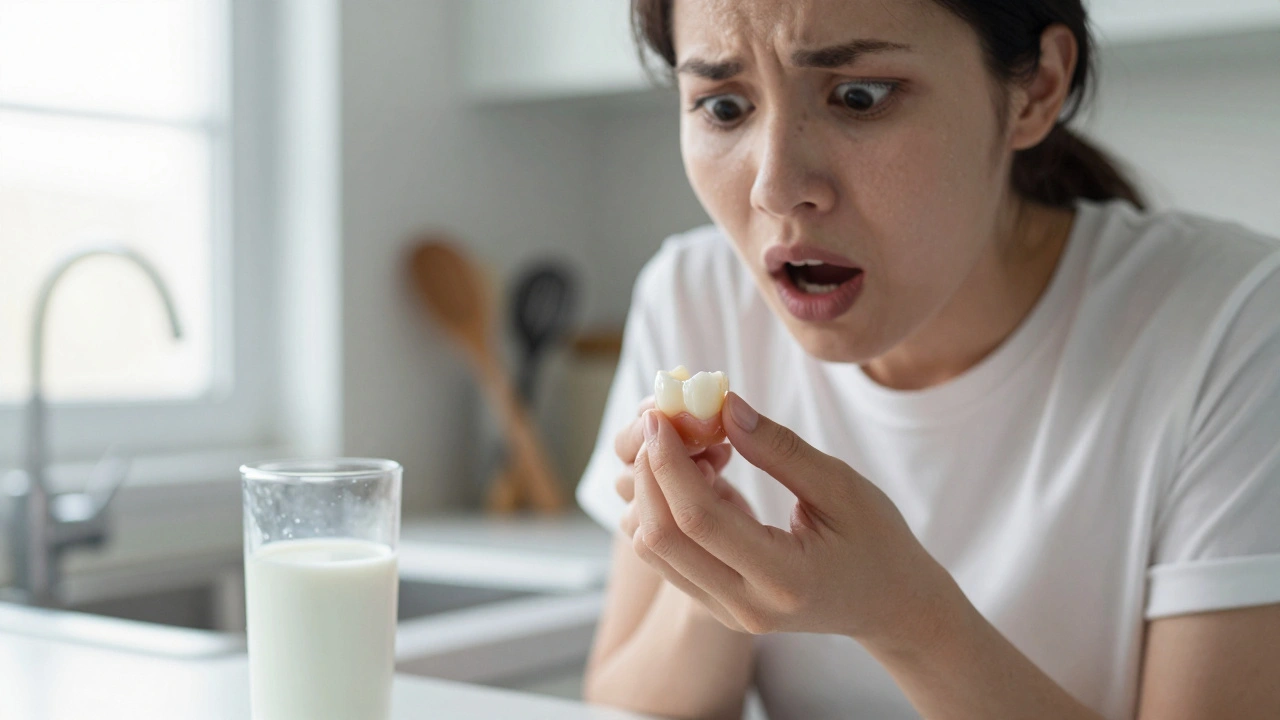
Jak zachránit zlomený zub: co dělat hned po úrazu a kdy ještě stojí za to jít k zubnímu
Zlomený zub není konec. Víte, co dělat hned po úrazu, jak lékař zub zachrání a proč praskliny neignorovat? Zjistěte, kdy je ještě možné zub zachránit a jak předcházet dalším poškozením.
Číst více